


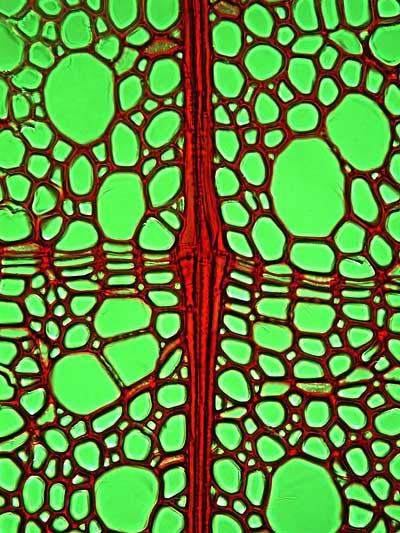
 Neat, huh? Actually, this is microphotography. Pictures of what various wood fibers look like under a microscope. The colors are the stains used to bring out the variations of texture. 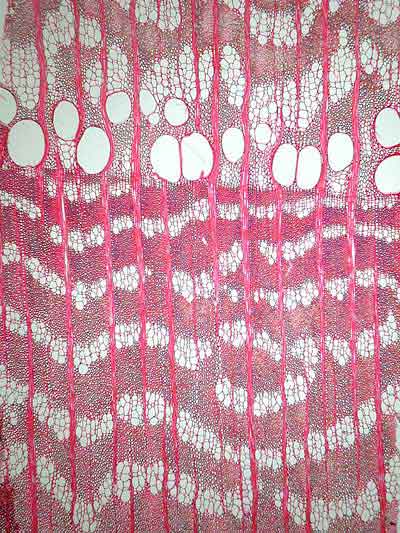 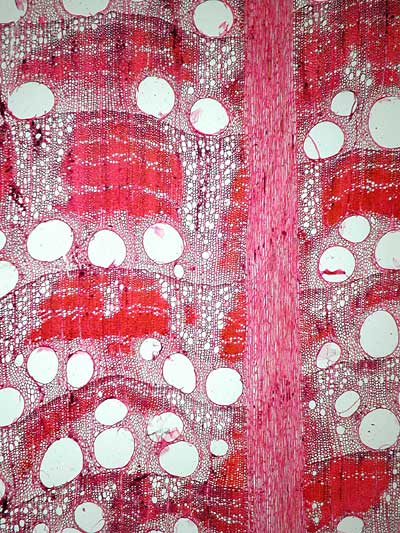 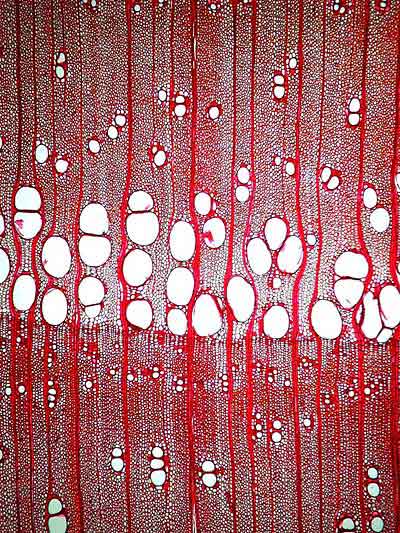 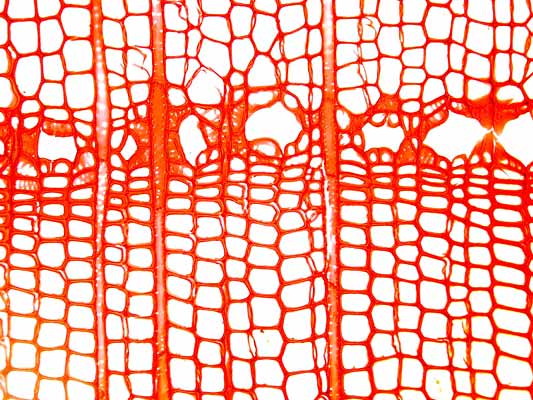 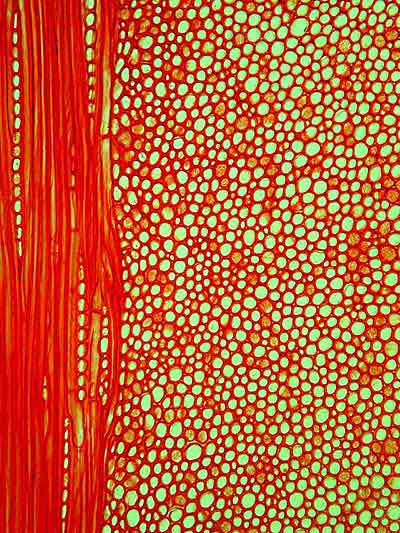 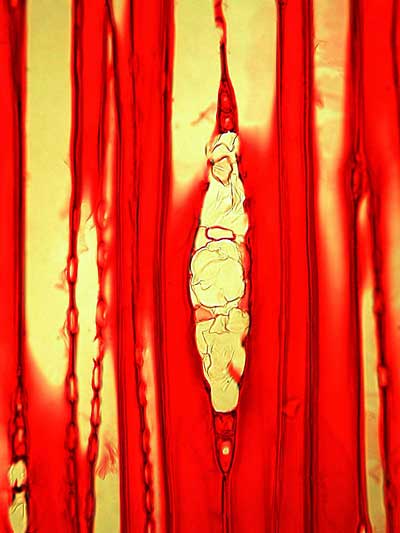 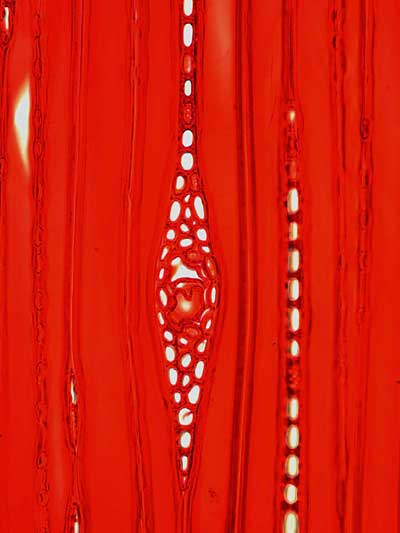 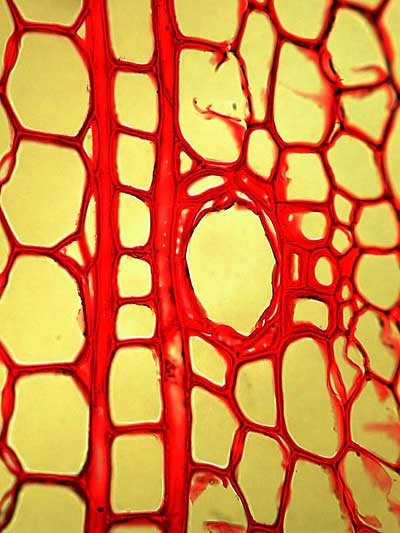 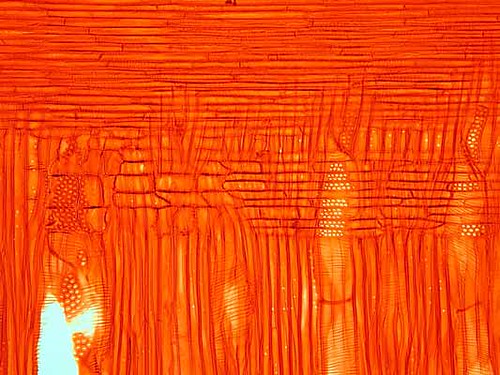 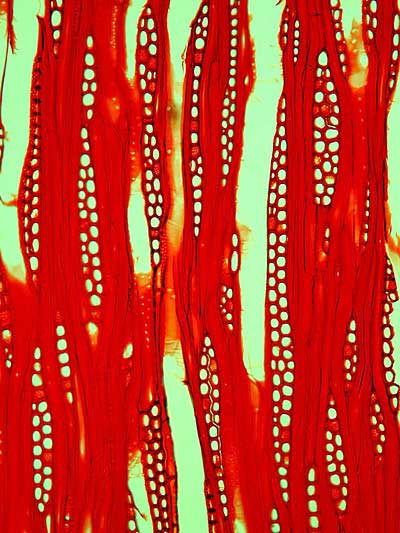 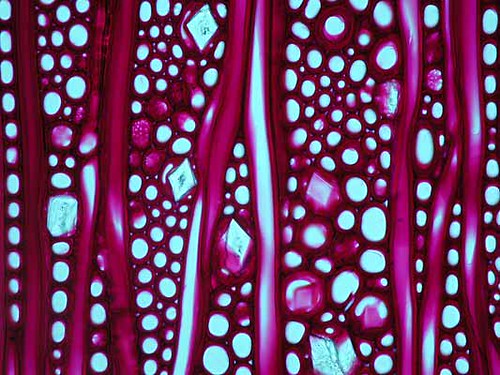 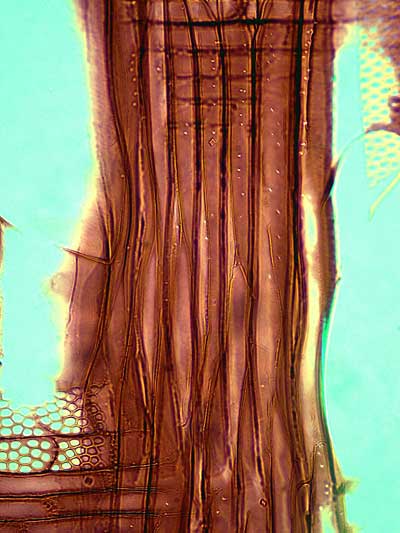 |
Showing posts with label science. Show all posts
Showing posts with label science. Show all posts
Sunday, July 27, 2008
Colorful and abstract - but is it art?

Saturday, July 26, 2008
The Six Billion Dollar Experiment
If you want to find out more about how it works, nytimes.com has a nifty explanation complete with graphics that move. It's pretty cool. Check it out here.     Still want to see more? Here's a slide show.    |


Wednesday, July 16, 2008
Blood - It's kinda cool!
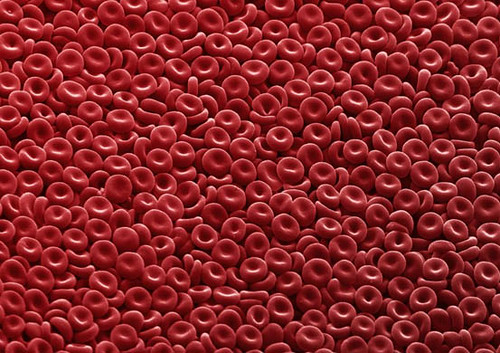
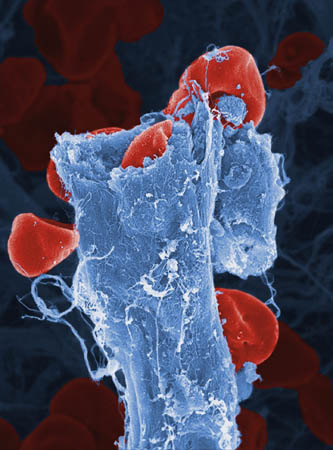
A carpet of red blood cells clearly showing their typical biconcave disc shape. This highly flexible shape provides a large surface area for absorption and release of oxygen and carbon dioxide, and allows the cells to move easily through the finest of capillaries. (Colour-enhanced scanning electron micrograph by Dave McCarthy and Annie Cavanagh) 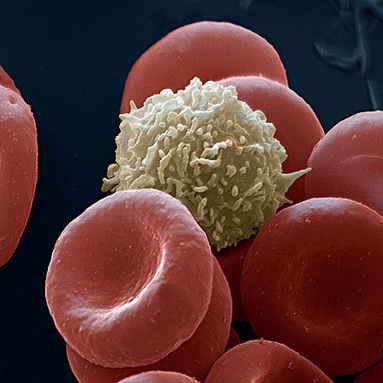 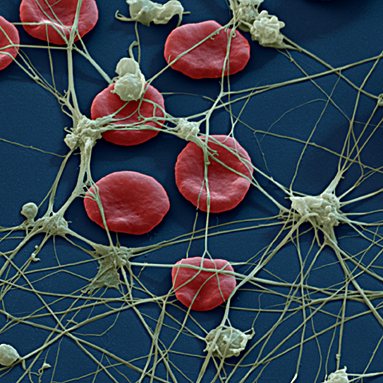 These pictures show different kinds of blood cells: Red blood cells, (erythrocytes, red), white blood cells (leukocytes, yellow, greenish), and platelets (thrombocytes, grey). The disc-shaped, biconcave erythrocytes transport oxygen to the body's cells and remove carbon dioxide to the lungs. Leukocytes are part of the immune system, defending the body against infection by ingesting pathogens by phagocytosis or by producing antibodies. Thrombocytes are involved with blood clotting. They gather at sites of injury and produce clotting factor.
|
Thursday, May 15, 2008
Journey Into The Human Body
What is it? Corpus is a journey through the human body during which the visitor can see, feel and hear how the human body works and what roles healthy food, healthy life and plenty of exercise plays. CORPUS offers a variety of information and provides education and entertainment with this journey as well as a vast number of permanent and variable exhibitions.         |

Monday, May 5, 2008
The Bug Murders
    Legendary photographer Weegee became famous for photographing murder scenes in New York in stark detail. And now we can bring you the entomological equivalent, thanks to Volker Steger, a photographer based in Munich, Germany. He found a way of getting the bugs killed by his car into a scanning electron microscope, revealing the wreckage of their tiny bodies in incredible detail. Getting the fragile remains into the SEM intact was not going to be possible by simply scraping the bugs off the windscreen, so Steger stuck clear plastic over his headlights. Once the dead insects had been collected, he simply cut them out and loaded them up. They were nice and dry already, he told me, presumably from the wind. But Steger found his driving speed was critical ??? between 70 and 90 km/h (42 and 54 mph) was perfect. Below that and nothing died, above it and all that was left was amorphous splatter. He says it seems the abdomen of the insect is the part that strikes the car first and kills it, probably because it is the heaviest part. The head and wings were often intact. |
Saturday, May 3, 2008
Naked Robot Toys
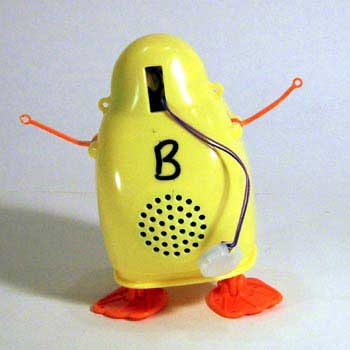 Who's this? Do you know?  If you guessed Elmo, you'd be right!  Do you know who this is? He's kinda creepy looking, isn't he? 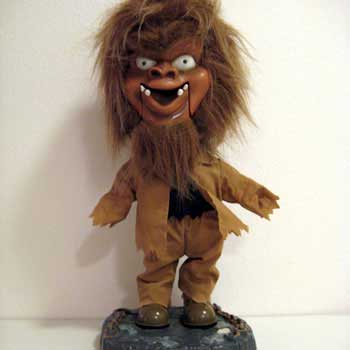 It's this crazy looking lion dude! Did you guess it? 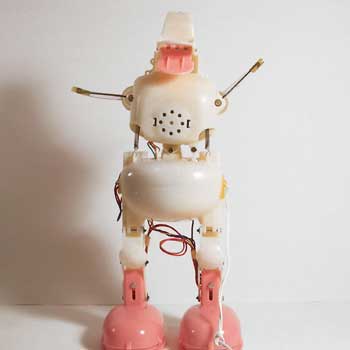 How about this guy? Can you guess who it is?  What? A care bear? 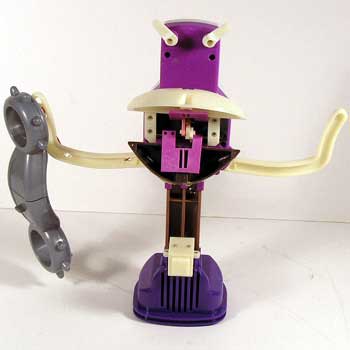 Can you guess this one? Do you have any idea at all?  Yep! It's a purple monster! 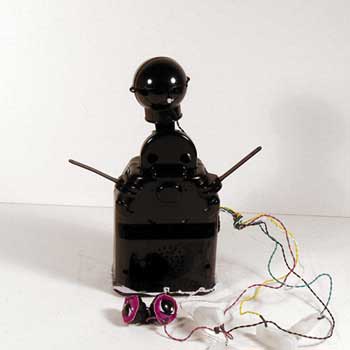 Ok, you'll never guess this on. Who could it be? 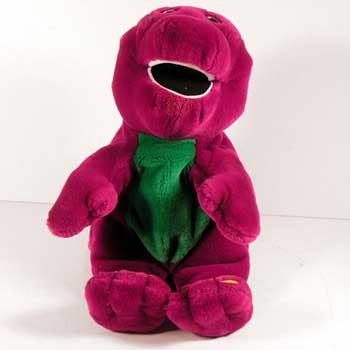 |
Subscribe to:
Posts (Atom)